

# From 4% to 100%: Why Manual QA Sampling Leaves You Exposed
In today’s fast-paced digital landscape, ensuring the quality of your software and services is more critical than ever. Yet, many organisations still rely on manual QA sampling, a method that can leave significant gaps in quality assurance. This article explores the limitations of manual QA sampling and how modern solutions like AI quality assurance and Salesforce QA tools can enhance customer service compliance and overall quality.
## Understanding Manual QA Sampling
### What is Manual QA Sampling?
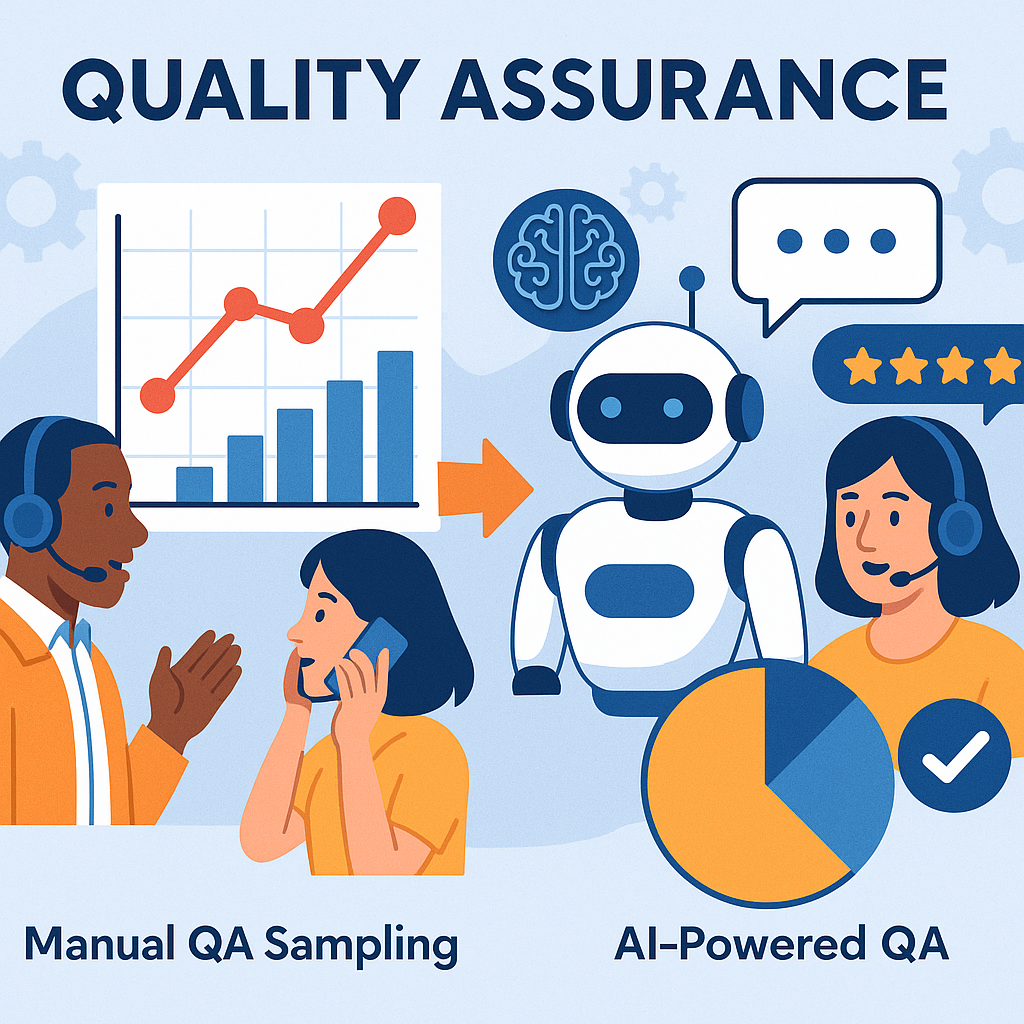
Manual QA sampling involves selecting a small percentage of transactions or interactions for quality checks. Typically, this might mean reviewing 4% of customer service calls or software transactions. While this approach can provide insights, it often leaves a substantial portion unchecked, potentially exposing businesses to risks.
### Limitations of Manual QA Sampling
1. **Inadequate Coverage**: With only a fraction of interactions reviewed, many issues can go unnoticed, leading to customer dissatisfaction and compliance breaches.
2. **Human Error**: Manual processes are prone to mistakes, which can result in inconsistent quality assessments.
3. **Time-Consuming**: Reviewing even a small sample manually can be labour-intensive, diverting resources from other critical tasks.
## The Shift to AI Quality Assurance
### Benefits of AI in Quality Assurance
AI quality assurance offers a comprehensive solution to the limitations of manual sampling. By leveraging machine learning algorithms, AI can analyse 100% of interactions, providing a complete picture of quality and compliance.
1. **Comprehensive Analysis**: AI tools can process vast amounts of data quickly, ensuring every interaction is assessed for quality and compliance.
2. **Consistency and Accuracy**: Unlike human reviewers, AI provides consistent evaluations, reducing the risk of errors.
3. **Real-Time Feedback**: AI systems can offer immediate insights, allowing for swift corrective actions and continuous improvement.
### Implementing AI Quality Assurance
To successfully integrate AI into your quality assurance processes, consider the following steps:
– **Identify Key Metrics**: Determine which aspects of quality and compliance are most critical to your business.
– **Select the Right Tools**: Choose AI solutions that align with your specific needs, such as Salesforce QA tools for customer service compliance.
– **Train Your Team**: Ensure your staff understands how to interpret AI-generated insights and implement necessary changes.
## Leveraging Salesforce QA Tools
### Enhancing Customer Service Compliance
Salesforce QA tools are designed to streamline quality assurance processes, particularly in customer service environments. These tools can automatically monitor interactions, ensuring compliance with industry standards and internal policies.
1. **Automated Monitoring**: Salesforce tools can track every customer interaction, identifying potential compliance issues before they escalate.
2. **Customisable Dashboards**: These tools offer dashboards that provide real-time insights into performance metrics, helping managers make informed decisions.
3. **Integration Capabilities**: Salesforce QA tools can seamlessly integrate with existing systems, enhancing overall efficiency and effectiveness.
### Best Practices for Using Salesforce QA Tools
– **Regular Updates**: Keep your tools updated to leverage the latest features and improvements.
– **Customisation**: Tailor the tools to fit your specific compliance requirements and business goals.
– **Continuous Training**: Provide ongoing training for your team to maximise the benefits of these tools.
## The Future of Quality Assurance
### Embracing a Holistic Approach
The future of quality assurance lies in a holistic approach that combines AI, automation, and human expertise. By moving beyond manual QA sampling, businesses can achieve higher standards of quality and compliance.
1. **Integrated Systems**: Develop integrated systems that combine AI insights with human oversight for optimal results.
2. **Proactive Quality Management**: Shift from reactive to proactive quality management, using data-driven insights to anticipate and address issues before they impact customers.
3. **Scalability**: Ensure your quality assurance processes can scale with your business, adapting to new challenges and opportunities.
### Conclusion
Relying solely on manual QA sampling is no longer sufficient in today’s competitive environment. By embracing AI quality assurance and leveraging tools like Salesforce QA, businesses can ensure comprehensive coverage, enhance customer service compliance, and maintain high standards of quality. Transitioning to these modern solutions not only mitigates risks but also positions organisations for long-term success in an ever-evolving market.